

Engineered Port Sealing Rings and High Pressure Gaskets for Tunnel Boring Machines
Providing heavy infrastructure projects with robust, high-durability tbm rubber seal assemblies and specialized mtbm rubber seal components. Built to withstand extreme subterranean hydrostatic pressure, our vulcanized rubber compounds deliver continuous performance across severe geological conditions and complex tunnel breakout operations worldwide.
Technical Material Presentation
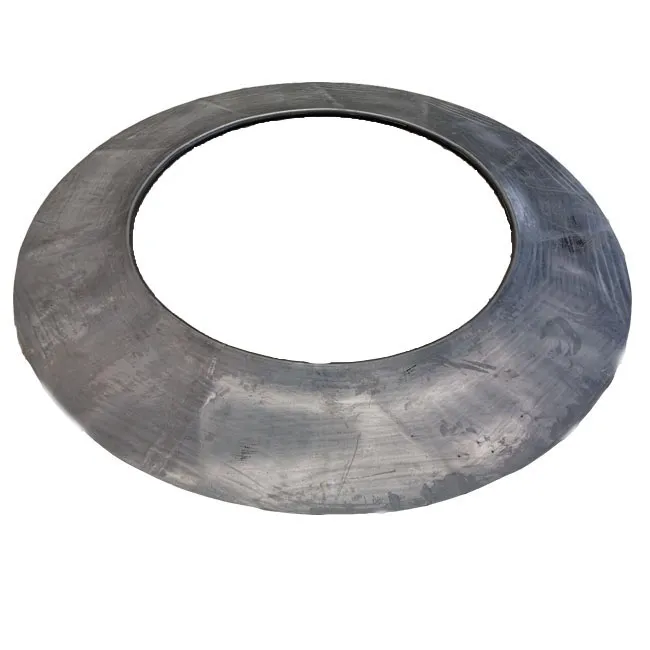
The illustration above defines the cross-sectional geometry and multi-lip structural reinforcement standard in our tunneling product line. Crafted from high-density elastomeric materials, this profile actively counteracts dynamic soil loads and shifting groundwater vectors during early-stage pipe jacking and shield advancement.
Core Supply Advantages
Our specialized industrial plant provides structural rubber products built for critical mechanical demands and long underground runs:
- 1
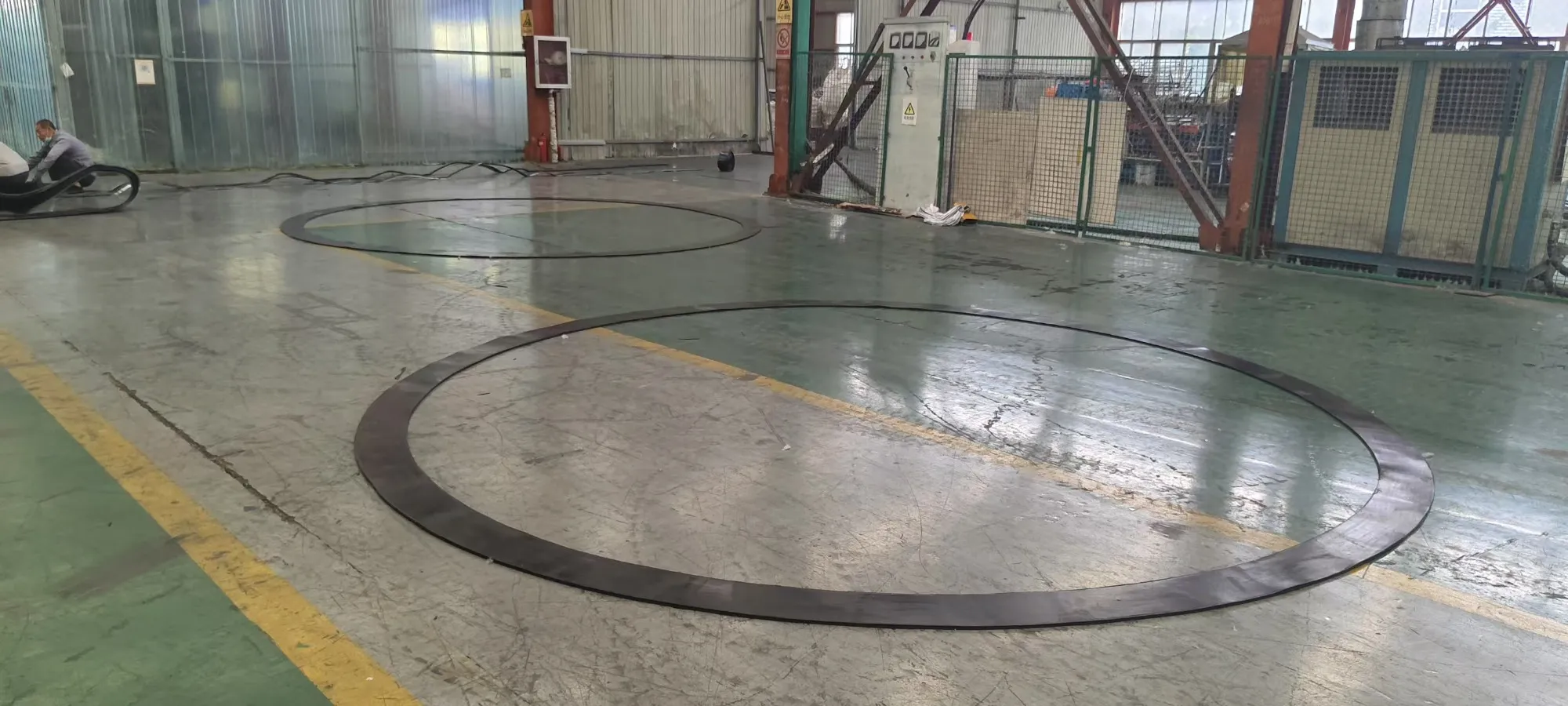
High-Capacity Vulcanization Infrastructure Capable of handling expansive outer-diameter single-mold executions to ensure structural cohesion across the entire perimeter without brittle bonding joints.
- 2
Custom Elastomeric Formulation Lab Precise compounding utilizing premium EPDM, Natural Rubber, and Nitrile bases configured for chemical resistance, high elasticity, and structural longevity under constant mechanical load.
- 3
Rigorous Geometric Verification Advanced profile tracking and durometer calibration systems guarantee parts perfectly conform to engineering drawings and fit standard shield machine flanged backings.
Product Specifications
| Technical Parameter | Standard Value Range | Testing Protocol Reference |
|---|---|---|
| Base Polymer Composition | Premium EPDM / SBR Blend / NBR Option | ASTM D1418 Verification |
| Hardness (Shore A) | 65 ± 5 Durometer / 75 ± 5 Backing Lip | ASTM D2240 Durometer Test |
| Tensile Strength Capacity | ≥ 14.5 MPa (MegaPascals) | ASTM D412 Tension Testing |
| Ultimate Elongation Index | ≥ 350 % Expansion Limit | ASTM D412 Strain Assessment |
| Compression Set Resistance | ≤ 22 % (70°C testing over 24 Hours) | ASTM D395 Method B |
| Maximum Hydrostatic Pressure | Up to 0.8 MPa Working Structural Capacity | Internal Cyclic Pressure Vessel |
Engineering Documentation & Insights
Factors Affecting Rubber Gasket Black Eye Seal Performance in Road and River Crossings
A granular investigation detailing structural stresses, ground movement behaviors, and shifting pressure fields encountered during deep subsurface utility crossings beneath critical transport links and waterways.
Navigating Product Lines of Seal Manufacturing Companies for Micro TBM Applications
This industry overview outlines selection frameworks for micro-tunnel boring machine operations, focusing on dimensional accuracy, continuous lubrication, and lip profile configurations.
Comprehensive Directory of HDD and Shield Tunneling TBM Related Sealing Solutions
An exhaustive reference matrix charting specialized solutions across Horizontal Directional Drilling (HDD) projects, main shield portal rings, and multi-segment joints.
Verified Procurement Feedback
"The heavy circular launch seals delivered for our metro network breakout demonstrated exceptional compression integrity. Even under a 6-bar hydrostatic head in mixed-face ground conditions, we noted zero mud or water bypass. The material dimensional consistency was well within our tight project tolerances."
"Deploying their high-tensile mtbm rubber seal configurations over a 1.2-kilometer utility pipeline drive proved highly successful. Abrasion wear along the primary sealing contact point was minimal despite the high quartz sand matrix. Their engineering documentation met all municipal requirements."
"Our massive portal breakout required custom-profiled segmented rings with steel reinforcing tabs. The factory handled our large mold specifications smoothly and verified compound homogeneity via independent lab certificates. Highly reliable supplier for major subterranean works."
Professional Engineering FAQ
What are the key technical criteria for selecting a launch seal gasket for large-diameter infrastructure tunneling?
Selecting an optimal shield structural seal requires strict evaluation of geological hydrostatic head pressure, angular deflection tolerances of the shield machine breakout, and the elastomeric memory of the vulcanized rubber化合物. The assembly must maintain a continuous compressive force against the tunneling shield skin while undergoing significant mechanical shearing forces during the initial launch sequence. Material hardness, tensile strength, and compounding stability are paramount to prevent structural bypass of water or slurry.
How does the custom vulcanization process ensure uniform material density across mega-diameter seals?
Our production facility employs high-capacity segment vulcanization presses equipped with advanced thermal monitoring grids. This configuration ensures that large-scale circular gaskets or segment blocks receive identical heat and pressure saturation throughout the entire curing cross-section. By eliminating localized under-curing or thermal degradation, the finished elastomeric seal exhibits homogenous mechanical properties, high tear propagation resistance, and consistent durometer readings across its entire circumference.
What design considerations prevent water and slurry ingress during the initial shield machine breakout phase?
The breakout phase represents the highest risk of subterranean fluid backflow. The engineering configuration incorporates a multi-tiered lip profiling architecture combined with high-tensile backing steel plates to mechanically reinforce the flexible rubber body. This structural arrangement counteracts high groundwater pressures and prevents the gasket from folding backward or experiencing blowout failures when the cutting wheel passes through the entrance portal glass fiber reinforcement matrix.
Can these heavy-duty rubber segments withstand highly abrasive geologic strata during micro-tunneling?
Yes, our compound formulations integrate specific reinforcing carbon blacks and synthetic elastomers selected for maximum abrasion resistance indices. When deploying an mtbm rubber seal in abrasive soils, cobbles, or high-quartz gravel formations, the material structural matrix resists deep gouging and surface erosion. This durability ensures that the circumferential seal retains its primary sealing lip profile throughout long-distance micro-tunneling drives without requiring mid-drive replacement operations.
How do you maintain tight tolerance controls for structural joints in custom-molded shield seals?
Precision metal machining of the vulcanization molds guarantees cross-sectional dimensional variations remain well within international engineering standards. For multi-segmented or oversized entrance seals, computerized waterjet cutting and high-pressure vulcanized splicing joints provide seamless connectivity. Every single joint undergoes stringent non-destructive pull testing and ultrasonic density verification to confirm that the spliced area matches the tensile performance and elongation capabilities of the native rubber profile.
What logistics and packaging protocols are utilized to ensure massive rubber gaskets arrive intact without deformation?
Due to the substantial mass and diameter of heavy infrastructure gaskets, parts are secured flat on reinforced heavy-duty wooden skids or heavy-gauge steel transport cradles. Protective polymer wrapping shields the cured rubber surfaces against ultraviolet radiation and moisture absorption during long-term transoceanic shipping. Internal radial bracing prevents structural kinking or permanent compression set, ensuring the components retain perfect geometric conformity for direct field installation upon arrival at the portal site.